In Toronto’s climate, where extreme temperatures demand year-round climate control and extended daylight hours vary dramatically between seasons, energy-efficient appliances represent one of the most impactful investments homeowners can make. With Ontario’s electricity rates continuing to fluctuate and environmental consciousness growing, understanding how your appliances consume energy and what you can do to optimize their efficiency has never been more important.
At Appliance Savers, located at 535 Parliament St Unit 223, we’ve helped countless Toronto homeowners reduce their energy consumption through strategic appliance upgrades, proper maintenance, and smart usage practices. Our experience has shown that informed homeowners can typically reduce their appliance energy consumption by 20-40% through a combination of these approaches, translating to significant savings on monthly utility bills.
Understanding Energy Consumption: The Hidden Costs in Your Home
Before exploring efficiency improvements, it’s crucial to understand how different appliances contribute to your energy bills. In typical Toronto homes, major appliances account for approximately 30-50% of total electricity consumption, with heating and cooling systems representing the largest portion, followed by water heating, refrigeration, and laundry appliances.
Your refrigerator runs continuously, making it one of the most significant energy consumers despite modern efficiency improvements. A typical newer refrigerator uses 400-600 kWh annually, while older models can consume 1,000-1,500 kWh or more. With Ontario’s electricity rates, this represents $50-200 in annual operating costs for refrigeration alone.
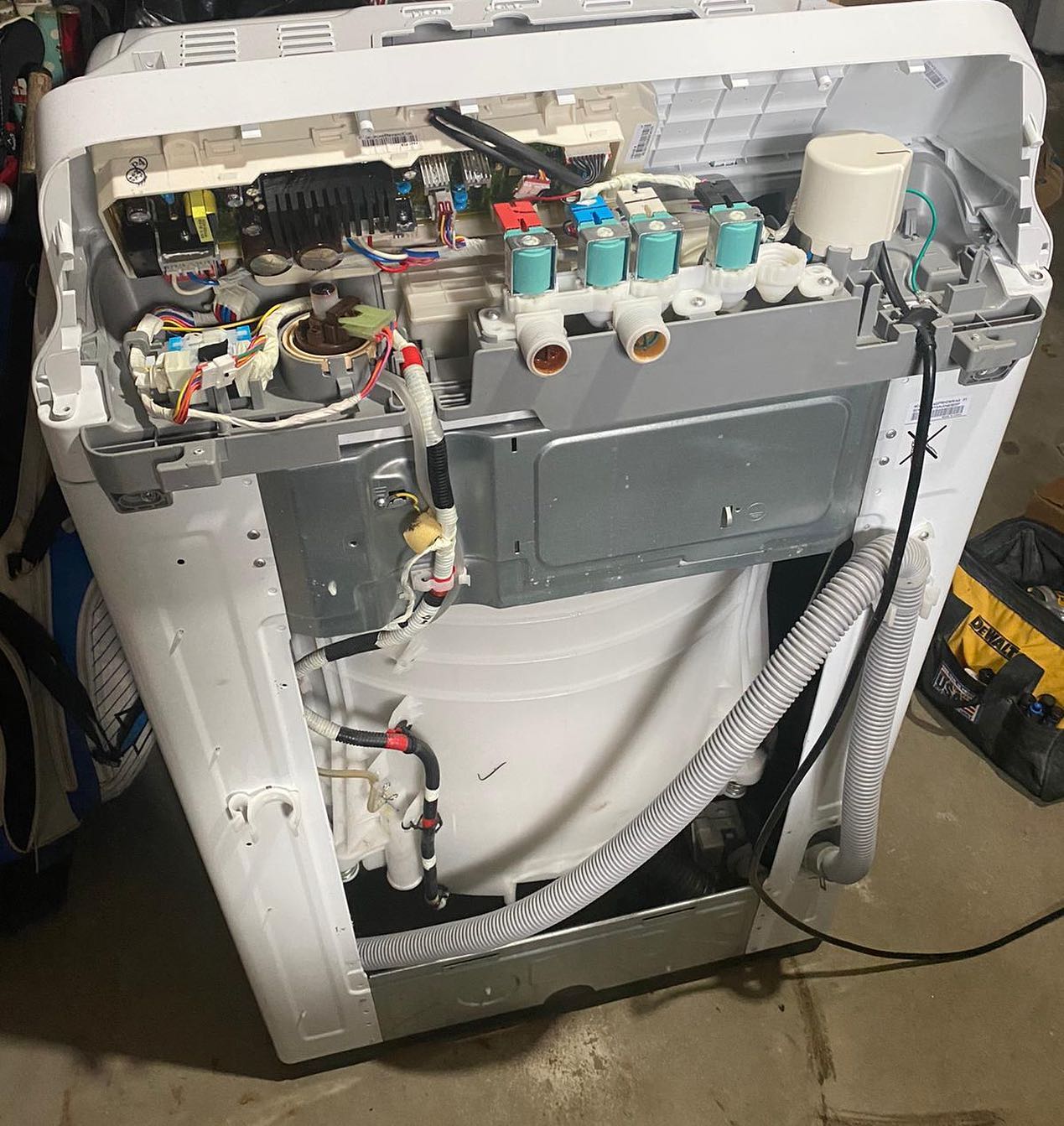
Washing machines and dryers work in tandem to create substantial energy demands, particularly when considering both electricity for operation and hot water heating. Traditional top-loading washers with central agitators can use 40-45 gallons of water per load, requiring significant energy for heating, while high-efficiency models reduce this to 13-17 gallons per load.
Dryers represent one of the highest energy-consuming appliances during operation, typically using 2,000-5,000 watts while running. A typical household doing 8-10 loads of laundry weekly might spend $200-400 annually on dryer energy costs alone, depending on usage patterns and efficiency levels.
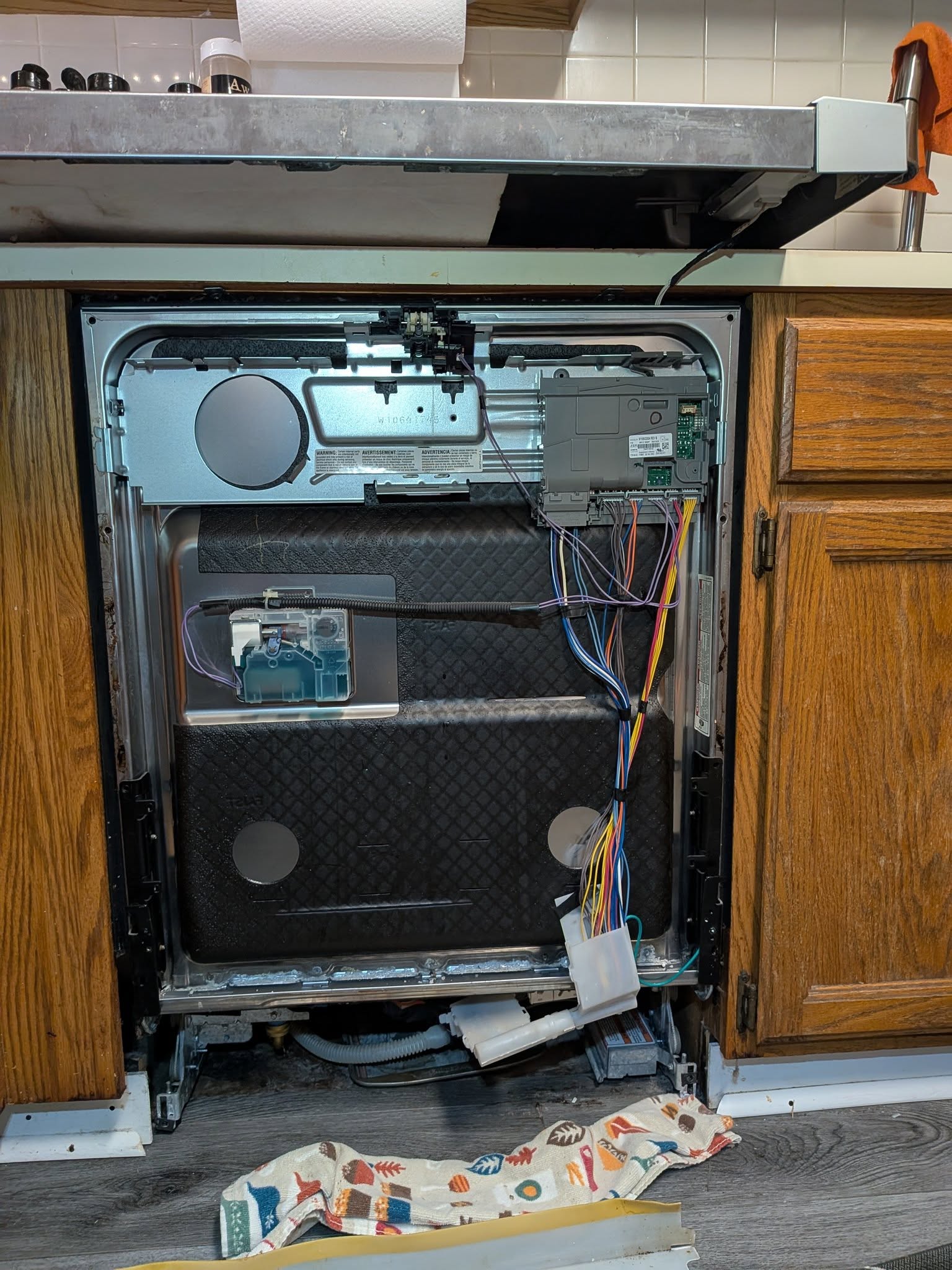
Dishwashers consume energy both for operation and water heating, with typical units using 1,800-2,400 watts during operation and requiring 4-6 gallons of hot water per cycle. Annual operating costs typically range from $35-80, depending on usage frequency and efficiency ratings.
The ENERGY STAR Advantage: Understanding Efficiency Ratings
ENERGY STAR ratings provide standardized benchmarks for comparing appliance efficiency, but understanding what these ratings mean in practical terms helps homeowners make informed purchasing decisions. ENERGY STAR qualified appliances must meet strict efficiency guidelines set by the U.S. Environmental Protection Agency and Natural Resources Canada.
For refrigerators, ENERGY STAR models use at least 15% less energy than standard models, while the most efficient units can use 40% less energy than conventional models. This efficiency translates to $50-100 in annual savings for typical households, easily justifying slightly higher purchase prices over the appliance’s lifespan.
ENERGY STAR washing machines use 25% less energy and 45% less water than standard models, while ENERGY STAR certified dryers use 20% less energy than conventional models. For households doing significant amounts of laundry, these savings can exceed $200 annually when considering both electricity and water heating costs.
ENERGY STAR dishwashers use 12% less energy and 30% less water than standard models, incorporating advanced technologies like soil sensors that adjust cycle length and intensity based on dish cleanliness, and improved filtration systems that allow for more efficient cleaning with less water.
However, efficiency ratings only tell part of the story. Real-world energy consumption depends heavily on usage patterns, maintenance practices, and proper installation. An ENERGY STAR appliance that’s poorly maintained or improperly used may consume more energy than a standard model that’s well-maintained and used efficiently.
Smart Usage Strategies: Maximizing Efficiency Through Behavior
How you use your appliances significantly impacts their energy consumption, often providing immediate savings without requiring new purchases. Understanding optimal usage patterns helps maximize efficiency regardless of your current appliances’ age or efficiency ratings.
Refrigerator efficiency depends heavily on temperature settings, door opening frequency, and food storage practices. Setting your refrigerator to 37-38°F and freezer to 0-5°F maintains food safety while minimizing energy consumption. Each degree below these optimal temperatures can increase energy consumption by 5-8%.
Avoid frequent door opening and minimize the time doors remain open. Plan meals and snacks to reduce refrigerator access, and teach family members to decide what they want before opening doors. Consider covering liquids and wrapping foods to prevent moisture release that forces the compressor to work harder.
Washing machine efficiency improves dramatically with proper loading and temperature selection. Wash full loads when possible, as partial loads waste both water and energy. However, overloading reduces cleaning effectiveness and can damage the machine. Modern detergents work effectively in cold water for most loads, reserving hot water for heavily soiled items or sanitization needs.
Pre-treating stains eliminates the need for rewashing, which doubles energy consumption for those items. Sort loads by soil level and fabric type to optimize wash settings and avoid overwashing lightly soiled items.
Dryer efficiency benefits from proper loading, lint management, and strategic scheduling. Clean the lint filter before every load – a clogged filter can increase drying time by 30% or more. Avoid overloading the dryer, which restricts airflow and extends drying times, but also avoid small loads that waste energy heating a large drum for few items.
Remove clothes promptly when dry to prevent overdrying, which damages fabrics and wastes energy. Consider air-drying heavy items like towels and jeans partially before finishing in the dryer, or use outdoor drying when weather permits to eliminate dryer usage entirely.
Dishwasher efficiency improves with proper loading and cycle selection. Scrape dishes thoroughly but avoid pre-rinsing, which wastes hot water and can actually reduce cleaning effectiveness in modern dishwashers designed to detect soil levels. Run full loads when possible, and use eco or energy-saving cycles for lightly soiled dishes.
Skip the heated dry cycle when possible, instead opening the dishwasher door slightly after the final rinse to allow air drying. This simple change can reduce dishwasher energy consumption by 15-20%.
Maintenance for Efficiency: Keeping Your Appliances Running Optimally
Regular maintenance dramatically impacts appliance efficiency, often providing the highest return on investment for improving energy performance. Simple maintenance tasks can restore aging appliances to near-original efficiency levels while extending their lifespans.
Refrigerator coils accumulate dust and debris that insulate them from proper heat dissipation, forcing the compressor to work harder and consume more energy. Cleaning coils every six months can improve efficiency by 25% or more in neglected units. Use a vacuum cleaner or coil brush to remove buildup from coils located either behind or underneath the unit.
Check door seals regularly for proper closure and clean them monthly to maintain proper sealing. Poor seals allow cold air to escape and warm air to enter, significantly increasing energy consumption. The dollar bill test – closing the door on a bill and trying to pull it out – quickly identifies seal problems requiring attention.
Washing machine efficiency suffers when lint, soap residue, and mineral deposits accumulate in internal components. Run monthly cleaning cycles with white vinegar or specialized washing machine cleaners to remove buildup that can interfere with proper operation and increase energy consumption.
Check and clean the lint filter in combination washer-dryer units, and inspect water hoses for restrictions that can reduce water flow and force longer fill times. Consider water softening in areas with hard water to prevent mineral buildup that reduces efficiency.
Dryer vent systems require regular cleaning to maintain proper airflow and prevent energy waste. Professional vent cleaning annually, or more frequently for heavy usage, can reduce drying times by 25-50% while improving safety. Clean the interior lint trap housing monthly and inspect the exterior vent for blockages.
Dishwasher filters require weekly cleaning to prevent food particles from interfering with spray arm operation and water circulation. Remove and rinse filters under hot water, scrubbing gently with an old toothbrush to remove stubborn debris. Check spray arms monthly for clogs that can reduce cleaning effectiveness and force rewashing.
Technology Upgrades: When Replacement Makes Sense
Understanding when appliance replacement becomes more economical than continued operation helps homeowners make informed decisions about efficiency investments. Generally, appliances older than 75% of their expected lifespan become candidates for replacement, especially when major repairs are needed.
Modern refrigerators offer significant efficiency improvements over units manufactured before 2001. If your refrigerator is over 15 years old, replacement likely pays for itself through energy savings within 5-7 years, even without rebates or incentives. New refrigerators also offer improved temperature consistency, better humidity control, and advanced features that enhance food preservation.
High-efficiency washing machines provide substantial savings over older top-loading agitator models. If your washer is over 10 years old and requires significant repairs, replacement with an ENERGY STAR front-loading or high-efficiency top-loading model can reduce water consumption by 50% and energy consumption by 25-40%.
Heat pump dryers represent cutting-edge efficiency technology, using 50-60% less energy than conventional electric dryers. While purchase prices remain higher than standard models, the energy savings can justify the investment for households doing significant amounts of laundry.
Induction cooktops offer superior efficiency compared to traditional electric or gas ranges, transferring energy directly to cookware rather than heating surrounding air. This technology can reduce cooking energy consumption by 25-50% while providing precise temperature control and faster heating.
Smart Home Integration: The Future of Appliance Efficiency
Smart appliances and home automation systems offer new opportunities for optimizing energy consumption through advanced scheduling, monitoring, and control capabilities. These technologies allow homeowners to take advantage of time-of-use electricity rates and renewable energy availability.
Smart thermostats for refrigerators can adjust temperatures based on usage patterns and electricity rates, slightly raising temperatures during peak rate periods when food safety allows. Advanced models learn family schedules and adjust operation accordingly.
Smart washing machines can be programmed to operate during off-peak hours when electricity rates are lower, and some models can communicate with smart water heaters to coordinate heating cycles for maximum efficiency.
Load monitoring systems provide real-time feedback on appliance energy consumption, helping homeowners identify inefficient units and modify usage patterns. This data often reveals surprising energy consumption patterns that suggest maintenance needs or usage improvements.
Rebates and Incentives: Maximizing Your Investment
Various programs help Toronto homeowners offset the costs of efficiency improvements, making upgrades more economically attractive. Ontario’s Save on Energy programs periodically offer rebates for ENERGY STAR appliances, while federal tax credits may apply to certain high-efficiency models.
Local utilities sometimes offer additional rebates or financing programs for efficiency upgrades, particularly for customers participating in demand response programs. These programs can significantly reduce the upfront costs of efficient appliances while providing ongoing savings through reduced energy consumption.
Calculating Return on Investment: Making Smart Decisions
Understanding the financial benefits of efficiency improvements helps prioritize investments and choose optimal upgrade timing. Calculate potential savings by comparing current energy consumption with projected consumption after improvements, then divide the investment cost by annual savings to determine payback periods.
Consider the remaining lifespan of current appliances when making replacement decisions. A 5-year-old refrigerator with moderate efficiency might not justify replacement, while a 12-year-old unit showing signs of declining performance becomes an excellent replacement candidate.
Factor in non-energy benefits when calculating returns, including improved reliability, enhanced features, and potential increases in home value. Modern appliances often provide superior performance and convenience beyond energy savings alone.
Environmental Impact: Beyond Personal Savings
Energy-efficient appliances contribute to broader environmental benefits beyond personal cost savings. Reduced electricity consumption decreases demand on power generation systems, often reducing emissions from fossil fuel power plants during peak demand periods.
Water-efficient appliances reduce demand on municipal water treatment systems and decrease hot water heating requirements, providing compound environmental benefits. In Toronto’s context, where water treatment and distribution require significant energy inputs, efficient appliances provide multiple environmental benefits.
Professional Guidance: Maximizing Your Efficiency Investment
While many efficiency improvements can be implemented independently, professional guidance helps ensure optimal results and avoid costly mistakes. Appliance Savers’ experienced technicians can assess your current appliances, recommend efficiency improvements, and provide proper installation and maintenance services.
Our team understands Toronto’s specific climate challenges, utility rate structures, and available incentive programs, providing comprehensive guidance tailored to local conditions. We can help you prioritize efficiency investments based on your usage patterns, budget constraints, and long-term goals.
Conclusion: Your Path to Lower Energy Bills
Improving appliance efficiency requires a comprehensive approach combining smart purchasing decisions, proper maintenance, optimal usage practices, and strategic timing. The investment in efficiency improvements typically pays for itself through reduced utility bills while providing enhanced performance and environmental benefits.
At Appliance Savers, 535 Parliament St Unit 223, we’re committed to helping Toronto homeowners maximize their appliance efficiency and minimize their energy costs. Our combination of repair expertise, maintenance services, and efficiency guidance ensures you get the most from your appliance investments. Contact us at 647-691-6668 to discuss your efficiency goals and discover how proper appliance care and strategic upgrades can dramatically reduce your energy bills.
Remember, every kilowatt-hour saved through improved efficiency is money that stays in your pocket while contributing to a more sustainable future. Start implementing these strategies today and watch your energy bills decrease while your comfort and convenience increase.