As a homeowner in Toronto, your appliances work tirelessly to keep your household running smoothly. From the refrigerator preserving your family’s food to the washing machine handling endless loads of laundry, these essential machines deserve attention when they start showing signs of distress. Recognizing early warning signs can mean the difference between a simple repair and a complete appliance replacement, potentially saving you hundreds or even thousands of dollars.
At Appliance Savers, located at 535 Parliament St Unit 223, our experienced technicians have diagnosed and repaired thousands of appliances throughout the Greater Toronto Area. Through our extensive experience, we’ve identified the most common warning signs that indicate your appliances need professional attention before minor issues become major problems.
Refrigerator Red Flags: When Your Cold Storage Needs Help
Your refrigerator is arguably the most critical appliance in your home, running 24/7 to keep your food fresh and safe. When it starts malfunctioning, the consequences can be immediate and costly. Understanding the warning signs can help you act quickly to prevent food spoilage and avoid emergency repair situations.
Temperature fluctuations represent one of the most serious warning signs. If your refrigerator struggles to maintain consistent temperatures, or if you notice your freezer isn’t keeping items completely frozen, the cooling system may be compromised. This could indicate issues with the compressor, refrigerant levels, or faulty temperature controls. Don’t ignore these signs – food safety depends on proper temperature maintenance.
Unusual noises from your refrigerator often signal mechanical problems developing. While modern refrigerators aren’t completely silent, they shouldn’t produce loud banging, grinding, or squealing sounds. A failing compressor might make loud clicking or humming noises, while worn fan motors often create scraping or grinding sounds. These noises typically worsen over time and indicate components that need professional attention.
Excessive frost buildup in frost-free freezers suggests defrost system malfunctions. If you notice ice accumulating on freezer walls or around the evaporator coils, the automatic defrost cycle isn’t functioning properly. This can lead to reduced efficiency, higher energy bills, and eventually complete system failure if left unaddressed.
Water leaks around or inside your refrigerator require immediate attention. Internal leaks might indicate blocked drain tubes or damaged water lines, while external pooling could suggest door seal problems or more serious internal issues. Water damage can affect surrounding flooring and cabinets, making prompt repair essential.
Higher than normal energy bills often indicate declining refrigerator efficiency. If your electricity costs have increased without corresponding changes in usage patterns, your refrigerator might be working harder than necessary due to failing components or poor maintenance.
Washing Machine Warning Signs: Protecting Your Laundry Investment
Modern washing machines are complex appliances with sophisticated control systems, making early problem detection crucial for preventing costly repairs. Understanding these warning signs helps you address issues before they escalate into major problems requiring extensive repairs or complete replacement.
Unusual vibrations or movement during operation often indicate load imbalance issues or mechanical problems. While some vibration is normal, excessive shaking that moves the washer across the floor suggests worn shock absorbers, unbalanced loads, or problems with the drum suspension system. These issues can damage both the washer and surrounding areas if not addressed promptly.
Water temperature problems, such as clothes coming out too hot or cold regardless of settings, indicate issues with the water mixing valve or temperature sensors. This not only affects cleaning performance but can damage delicate fabrics or fail to sanitize items properly when hot water is necessary.
Incomplete drainage or standing water in the drum after cycles suggests pump problems or drain blockages. This can lead to mold growth, unpleasant odors, and potential water damage if the machine overflows during subsequent cycles. Professional diagnosis is essential to determine whether the issue involves the pump, drain hose, or internal blockages.
Unusual noises during different cycle phases can indicate various mechanical problems. Grinding sounds might suggest worn bearings, while loud banging during the spin cycle could indicate suspension problems or foreign objects caught in the drum. Squealing noises often point to worn belts or pulleys requiring replacement.
Clothes coming out with residual soap or unusual stains despite proper loading and detergent use suggests problems with the wash cycle timing, water temperature control, or internal component failures affecting proper cleaning action.
Dryer Danger Signs: Safety and Efficiency Concerns
Dryer problems pose unique safety risks due to the high temperatures and lint accumulation involved in normal operation. Recognizing warning signs early protects both your appliance investment and your family’s safety, as dryer-related fires represent a significant household hazard.
Extended drying times are often the first sign of declining dryer performance. If clothes require multiple cycles or significantly longer periods to dry completely, airflow restrictions or heating element problems may be developing. This inefficiency increases energy costs and puts additional strain on components, potentially leading to premature failure.
Excessive heat buildup during operation indicates serious safety concerns requiring immediate attention. If the dryer exterior becomes too hot to touch, or if the laundry room temperature rises significantly during use, inadequate ventilation or malfunctioning safety systems may be present. These conditions increase fire risk and can damage both the appliance and surrounding areas.
Unusual odors, particularly burning smells, demand immediate attention and may require stopping use until professional diagnosis. Burning odors could indicate lint buildup near heating elements, electrical problems, or overheating components. Never ignore these warning signs, as they often precede dangerous situations.
Clothes coming out with burn marks, excessive wrinkles, or unusual wear patterns suggest temperature control problems or mechanical issues affecting proper tumbling action. These problems can damage your clothing and indicate potentially dangerous operating conditions.
Lint accumulation in unexpected areas, such as around the dryer base or in the laundry room, suggests ventilation problems or seal failures allowing lint to escape the proper exhaust path. This creates fire hazards and indicates the need for professional inspection and cleaning.
Dishwasher Distress Signals: When Clean Isn’t Clean Enough
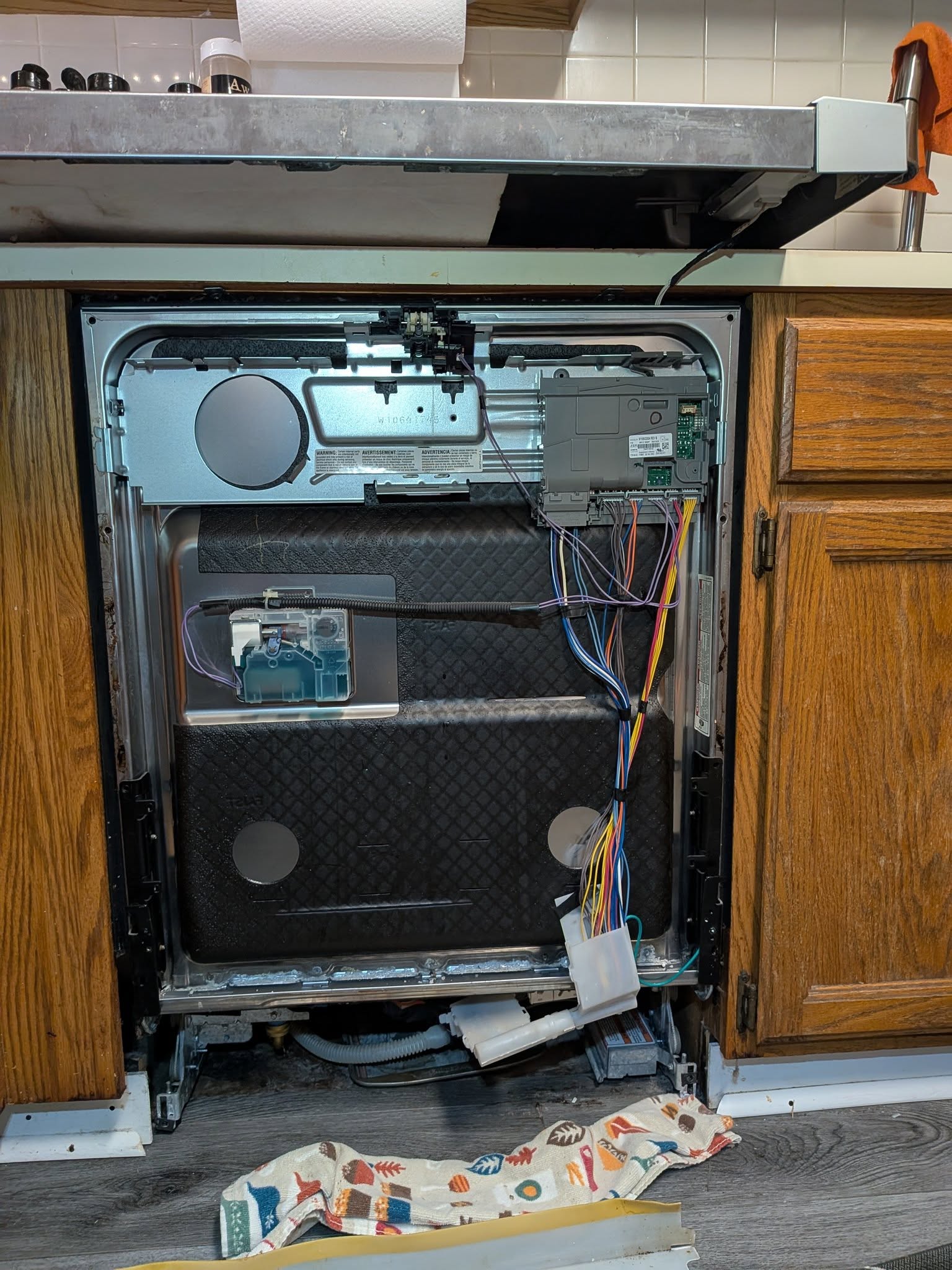
Dishwashers rely on precise water temperature, pressure, and chemical balance to clean effectively. When these systems malfunction, the results are immediately apparent through poor cleaning performance, water problems, or operational issues that affect your daily routine.
Poor cleaning results, such as dishes remaining dirty or developing spots despite proper loading and detergent use, often indicate spray arm blockages, water temperature problems, or failing wash pumps. These issues can worsen gradually, making early intervention important for maintaining sanitary cleaning conditions.
Water remaining in the bottom of the dishwasher after cycles suggests drainage problems that can lead to bacterial growth and unpleasant odors. This standing water indicates pump failures, drain hose blockages, or garbage disposal problems in connected systems requiring professional diagnosis.
Unusual noises during wash cycles can indicate various mechanical problems. Grinding sounds might suggest foreign objects in the pump or spray arms, while loud banging could indicate loose components or failing motor mounts. These sounds often worsen over time and indicate developing problems requiring attention.
Door leaks or water pooling around the dishwasher base suggest seal problems or internal component failures that can damage surrounding flooring and cabinets. Even small leaks can cause significant damage over time, making prompt repair essential.
White film or mineral deposits on dishes despite using rinse aid indicate water temperature problems or chemical imbalances affecting cleaning performance. These issues often relate to heating element failures or control system malfunctions requiring professional expertise.
Small Appliance Symptoms: Don’t Overlook the Details
Small appliances may seem less critical than major units, but they still represent significant investments deserving proper attention when problems develop. Many small appliance issues are economically repairable when caught early, making problem recognition valuable for budget-conscious homeowners.
Coffee makers showing signs of mineral buildup, such as slow brewing or unusual tastes, require descaling or component replacement. Ignoring these signs can lead to complete failure of heating elements or pumping systems, often making replacement more economical than repair.
Blenders producing unusual noises or failing to achieve proper consistency suggest motor problems or blade wear requiring professional attention. Safety concerns arise when blade assemblies loosen or electrical components begin failing.
Toasters browning unevenly or failing to pop up automatically indicate timer mechanism problems or heating element failures that can create fire hazards if left unaddressed.
When DIY Becomes Dangerous: Recognizing Professional Territory
While homeowners can handle basic maintenance tasks, certain situations require professional expertise for safety and effectiveness. Electrical problems, gas connections, and complex mechanical repairs need trained technicians with proper tools and safety equipment.
Any appliance showing signs of electrical problems, such as flickering lights when starting, unusual odors from electrical components, or tripping circuit breakers, requires immediate professional attention. These issues can indicate serious safety hazards requiring specialized diagnosis and repair.
Gas appliances showing signs of gas leaks or combustion problems need immediate professional service. Never attempt to repair gas connections or combustion systems yourself, as improper repairs can create dangerous situations requiring emergency response.
The Economics of Timely Repair
Understanding repair versus replacement economics helps homeowners make informed decisions about appliance problems. Generally, repairs costing less than 50% of replacement value make economic sense, especially for appliances less than halfway through their expected lifespans.
However, this calculation becomes more complex when considering energy efficiency improvements in newer models, rebate programs, and the reliability of aging appliances. Professional technicians can provide valuable guidance on these decisions based on specific appliance conditions and repair costs.
Creating an Appliance Monitoring System
Developing systematic approaches to appliance monitoring helps catch problems early when repairs are most economical. Weekly visual inspections, monthly performance checks, and annual professional maintenance create comprehensive monitoring systems protecting your appliance investments.
Document any changes in performance, unusual sounds, or operating characteristics to help professionals diagnose problems more efficiently. This information often reduces diagnostic time and repair costs while ensuring comprehensive problem resolution.
Conclusion: Your Partner in Appliance Health
Recognizing warning signs early protects both your appliance investments and your family’s daily routine. When problems develop despite proper maintenance, professional expertise becomes essential for safe, effective repairs that restore proper operation and extend appliance lifespans.
Appliance Savers stands ready to help Toronto homeowners with all their appliance repair needs. Our experienced technicians at 535 Parliament St Unit 223 combine diagnostic expertise with quality repair services, ensuring your appliances receive the professional attention they deserve. Contact us at 647-691-6668 at the first sign of appliance problems – early intervention saves money and prevents the inconvenience of complete appliance failures.
Remember, ignoring warning signs doesn’t make problems disappear; it usually makes them more expensive to fix. Trust your instincts when appliances seem “off,” and rely on professional expertise to keep your household running smoothly and safely.