When you invest in home appliances, you expect them to serve your family reliably for years to come. However, without proper care and maintenance, even the highest-quality appliances can fail prematurely, leaving you with costly repairs or replacements. At Appliance Savers, located at 535 Parliament St Unit 223 in Toronto, we’ve seen firsthand how simple preventive measures can dramatically extend the life of your household appliances while maintaining peak performance.
Understanding Appliance Lifespans: What to Expect
Before diving into maintenance strategies, it’s essential to understand the typical lifespan of common household appliances. Refrigerators generally last 10-20 years, depending on the model and usage patterns. Washing machines and dryers typically serve families well for 10-13 years, while dishwashers average 9-16 years of reliable service. Range hoods can last up to 14 years, and garbage disposals usually function effectively for 8-15 years.
These timeframes aren’t set in stone, however. With proper maintenance and care, many appliances can exceed their expected lifespans significantly. Conversely, neglect and improper use can cut these estimates in half, leading to frustrating breakdowns and unexpected expenses.
Refrigerator Care: Keeping Your Food Fresh and Your Bills Low
Your refrigerator works around the clock, making it one of the hardest-working appliances in your home. To maximize its lifespan, start with the coils located either behind or underneath the unit. These coils should be cleaned every six months using a vacuum cleaner or coil brush to remove dust and debris that can cause the compressor to work harder than necessary.
Temperature settings play a crucial role in both food safety and energy efficiency. The ideal refrigerator temperature is between 37-40°F (3-4°C), while freezer temperatures should remain at 0°F (-18°C). Installing an appliance thermometer helps ensure accurate readings, as built-in displays aren’t always precise.
Door seals, or gaskets, are often overlooked but critically important. Clean them monthly with warm, soapy water and check for cracks or tears. A simple test involves closing the door on a dollar bill – if you can pull it out easily, the seal needs replacement. Poor seals force your refrigerator to work harder, increasing energy consumption and wear on components.
Regular interior cleaning prevents odors and bacterial growth while maintaining optimal air circulation. Remove expired items weekly, and deep clean monthly with a baking soda solution. Don’t forget to replace water filters every six months in units equipped with ice makers or water dispensers.
Washing Machine Maintenance: Preserving Your Laundry Investment
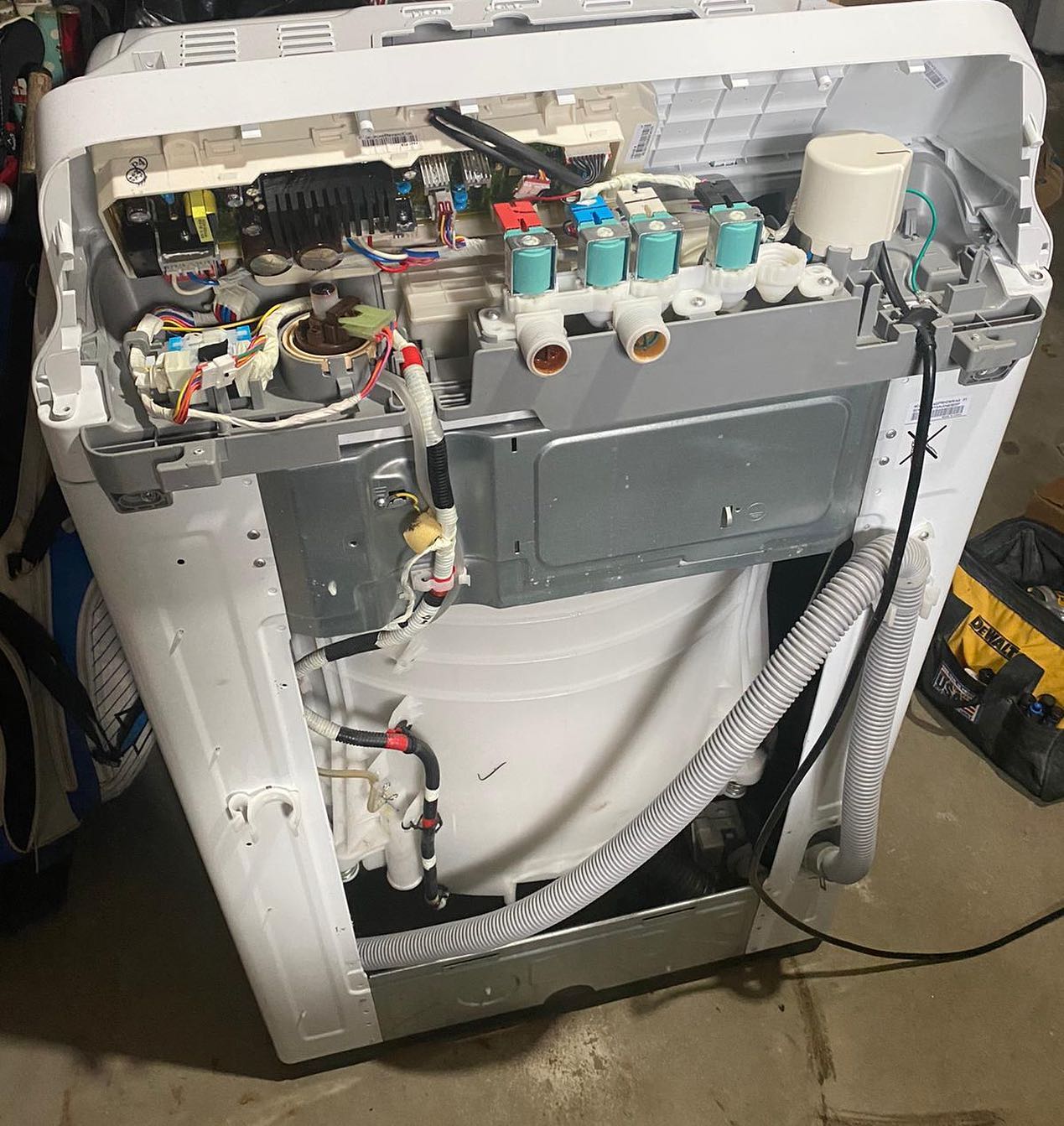
Modern washing machines are sophisticated appliances that require specific care to maintain their efficiency and longevity. One of the most critical maintenance tasks is cleaning the machine itself. Run an empty hot water cycle monthly with two cups of white vinegar or specialized washing machine cleaner to remove soap residue and mineral deposits.
Loading practices significantly impact your washer’s lifespan. Overloading strains the motor and transmission, while consistently small loads waste water and energy. Follow manufacturer guidelines for load sizes, and distribute clothes evenly to prevent excessive vibration during the spin cycle.
Water quality affects washing machine performance more than most homeowners realize. Toronto’s water is moderately hard, containing minerals that can build up over time. If you notice white residue on clothes or the machine interior, consider installing a water softener or using anti-scale products designed for washing machines.
Inspect and clean the lint filter regularly, especially in combination washer-dryer units. Check hoses annually for bulges, cracks, or leaks, and replace them every five years as a preventive measure. Stainless steel braided hoses offer superior durability compared to standard rubber versions.
Dryer Safety and Efficiency: Beyond Lint Removal
Dryer maintenance extends far beyond emptying the lint trap after each load, though this remains the most critical safety practice. Lint buildup is a leading cause of house fires, making this simple task potentially life-saving. However, comprehensive dryer care involves several additional steps.
Clean the lint trap housing monthly by removing the screen and vacuuming the cavity where it sits. Lint often accumulates in this area, reducing airflow efficiency. Similarly, the dryer vent leading outside should be professionally cleaned annually, or more frequently if you notice longer drying times or excessive heat buildup.
Inspect the exterior vent regularly to ensure it opens freely when the dryer operates and closes completely when not in use. Birds, rodents, or weather can block these vents, creating dangerous conditions and reducing efficiency.
Use appropriate dryer sheets and fabric softeners sparingly, as excess chemicals can coat the lint screen and reduce its effectiveness. If water beads on the screen instead of flowing through, wash it with hot, soapy water and an old toothbrush.
Dishwasher Care: Ensuring Sparkling Results
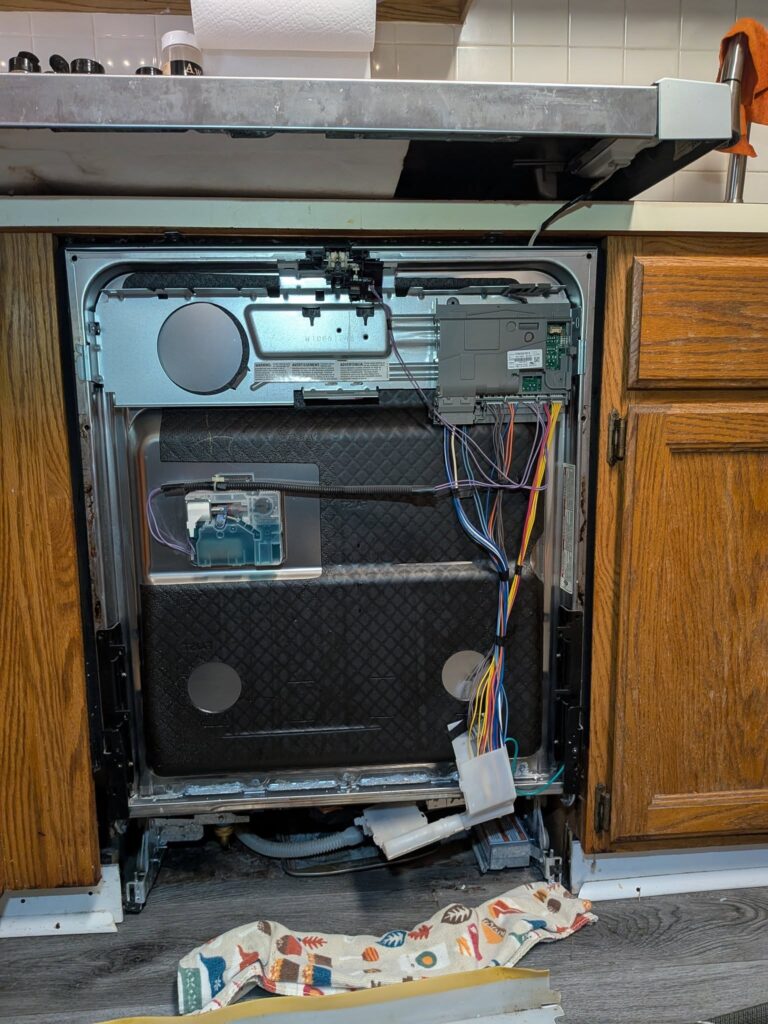
Despite cleaning dishes daily, dishwashers require regular maintenance to prevent clogs, odors, and poor cleaning performance. The filter system, usually located at the bottom of the tub, should be removed and cleaned weekly. Rinse it under hot water and scrub gently with an old toothbrush to remove food particles and grease.
Run an empty cycle monthly with dishwasher cleaner or two cups of white vinegar placed in a dishwasher-safe bowl on the top rack. This removes mineral deposits and soap scum that can affect cleaning performance and leave spots on dishes.
Inspect spray arms regularly by lifting them out and checking for clogs in the holes. Use a toothpick or thin wire to clear any blockages, ensuring proper water distribution during wash cycles.
Loading practices significantly impact cleaning results and appliance longevity. Scrape plates thoroughly but avoid pre-rinsing, which wastes water and can actually reduce cleaning effectiveness in modern dishwashers designed to detect soil levels. Load dishes according to manufacturer guidelines, ensuring spray arms can rotate freely.
Small Appliance Maintenance: Maximizing Convenience
Small appliances like coffee makers, blenders, and toasters also benefit from regular maintenance. Descale coffee makers monthly in Toronto’s moderately hard water conditions using white vinegar or commercial descaling products. This prevents mineral buildup that can affect taste and damage internal components.
Clean blender blades immediately after use to prevent food from hardening and dulling the cutting edges. For stuck-on residue, blend warm, soapy water briefly, then rinse thoroughly.
Toasters should be cleaned weekly by emptying crumb trays and wiping down exteriors. Monthly deep cleaning involves unplugging the unit and gently shaking out loose crumbs while using a soft brush to remove stubborn particles.
Professional Maintenance: When to Call the Experts
While homeowners can handle most routine maintenance tasks, certain situations require professional attention. Unusual noises, persistent odors, or declining performance despite proper maintenance often indicate internal issues requiring expert diagnosis.
At Appliance Savers, we recommend annual professional inspections for major appliances, especially those nearing the middle of their expected lifespans. Our experienced technicians can identify potential problems before they become costly failures, often extending appliance life by several years.
Signs that warrant immediate professional attention include water leaks, electrical issues, gas odors, or any safety concerns. Never attempt to repair gas appliances yourself, and always disconnect power before performing any maintenance on electrical units.
The Economics of Proper Maintenance
The financial benefits of proper appliance maintenance extend beyond avoiding repair costs. Well-maintained appliances operate more efficiently, reducing utility bills significantly over their lifespans. A clean refrigerator coil can reduce energy consumption by up to 25%, while a properly maintained dryer uses less electricity and reduces drying times.
Consider maintenance costs as insurance premiums protecting your appliance investment. The annual cost of professional maintenance typically represents a fraction of replacement costs, making it one of the most cost-effective home improvement investments you can make.
Creating a Maintenance Schedule
Successful appliance maintenance requires consistency, making a written schedule essential. Create monthly, quarterly, and annual maintenance calendars specific to your appliances and their usage patterns. Post these schedules near your appliances as reminders, or set smartphone alerts to ensure tasks aren’t forgotten.
Document maintenance activities and any observations about appliance performance. This information proves valuable when professional service is needed and can help identify patterns that might indicate developing problems.
Conclusion: Your Partnership with Appliance Savers
Extending your appliances’ lifespans doesn’t require extensive technical knowledge or expensive tools – just consistent attention to basic maintenance principles. However, when professional expertise is needed, Appliance Savers stands ready to help Toronto homeowners maximize their appliance investments.
Our team at 535 Parliament St Unit 223 combines years of experience with ongoing training on the latest appliance technologies. Whether you need routine maintenance, emergency repairs, or advice on extending your appliances’ lives, we’re here to help. Contact us at 647-691-6668 to discuss your appliance care needs and discover how proper maintenance can save you thousands of dollars over the years.
Remember, every day you postpone proper maintenance is another day your appliances work harder than necessary, bringing them closer to costly failures. Start implementing these strategies today, and enjoy years of reliable service from your home appliances while keeping more money in your pocket.